ANZCA Fellowship (Final) exam preparation
Find what is costing you marks across the MCQ, SAQ and the vivas, then fix it. Built by practising critical care physicians who’ve been through the same process.
See the productEffort isn't the problem. Direction is.
You're preparing around full clinical rosters, so every hour has to count. ClintixPro finds the domains costing you marks and points your limited study time there. Here is a study session, one step at a time.
Answer a question, then understand the mistake
- The problem
- A score tells you that you were wrong, not why.
- The next step
- Ask the tutor to explain the concept at the depth you need, then try another question on it.
Every plan includes questions and the AI tutor. Free accounts get 10 questions and 5 tutor questions a day.
Context-sensitive half-time is the time for the plasma concentration of a drug to fall by 50% after an infusion is stopped, where the “context” is how long the infusion has run. It is not the same as elimination half-life.
- After a short infusion, concentrations may fall quickly as drug redistributes from plasma to tissues.
- After a long infusion, tissue stores may be larger. Drug returning from those tissues can slow the fall in plasma concentration.
Clinical takeaway: when planning emergence after an infusion, ask not only “What is the drug’s half-life?” but also “How long was it infused, how much may have accumulated, and how quickly does the effect site equilibrate?”
Practise the topics that are costing you marks
- The problem
- Without a map, hours go on what you already know.
- The next step
- Start with the topics ClintixPro suggests, in the domains where you are weakest.
Weak-spot targeting is on Standard and Intensive.
Sit a timed paper before exam day
- The problem
- Exam day should not be the first time you sit a full paper.
- The next step
- Sit a timed paper, then use the report to see where marks were lost.
Exam Mode is on Standard and Intensive. Free accounts get one mock exam to try.
Review where you stand
- The problem
- It is hard to know whether you are ready to sit, or what is left.
- The next step
- Check your readiness and coverage, then point your next sessions at what is still open.
Readiness score and syllabus coverage are on Standard and Intensive.
Keep sitting full exams to maintain your exam readiness.
Start freeNo credit card required. Includes one free mock exam.
Preparation built around the ANZCA Fellowship
- MCQ practice, weighted to your weakest domains.
- Write SAQ answers and get a score and feedback against a model answer, so you see what you covered and what you missed.
- Viva practice across the medical and anaesthesia vivas, out loud, with feedback on your answers.Intensive
- Timed mock papers, so exam day isn’t the first time you sit one.Standard & Intensive
- Your exam readiness score: a live read on how likely you are to pass, so you know when you’re ready to sit, and what to fix if you’re not.Standard & Intensive
- Syllabus coverage: every topic you’ve practised, and every one you haven’t.Standard & Intensive
- Your standing against your cohort: see where you sit on the curve, completely anonymously.Standard & Intensive
- Start free. Create an account and begin practising straight away. Free accounts include daily practice questions and AI tutor questions.
- Find your gaps. Your readiness score shows how likely you are to pass today. Your domain results and syllabus coverage show where the marks are going.
- Work on exactly those gaps. Targeted practice, an AI tutor behind every wrong answer, and timed mock papers aimed at what you most need.
Built by practising critical care physicians who’ve been through the same process.
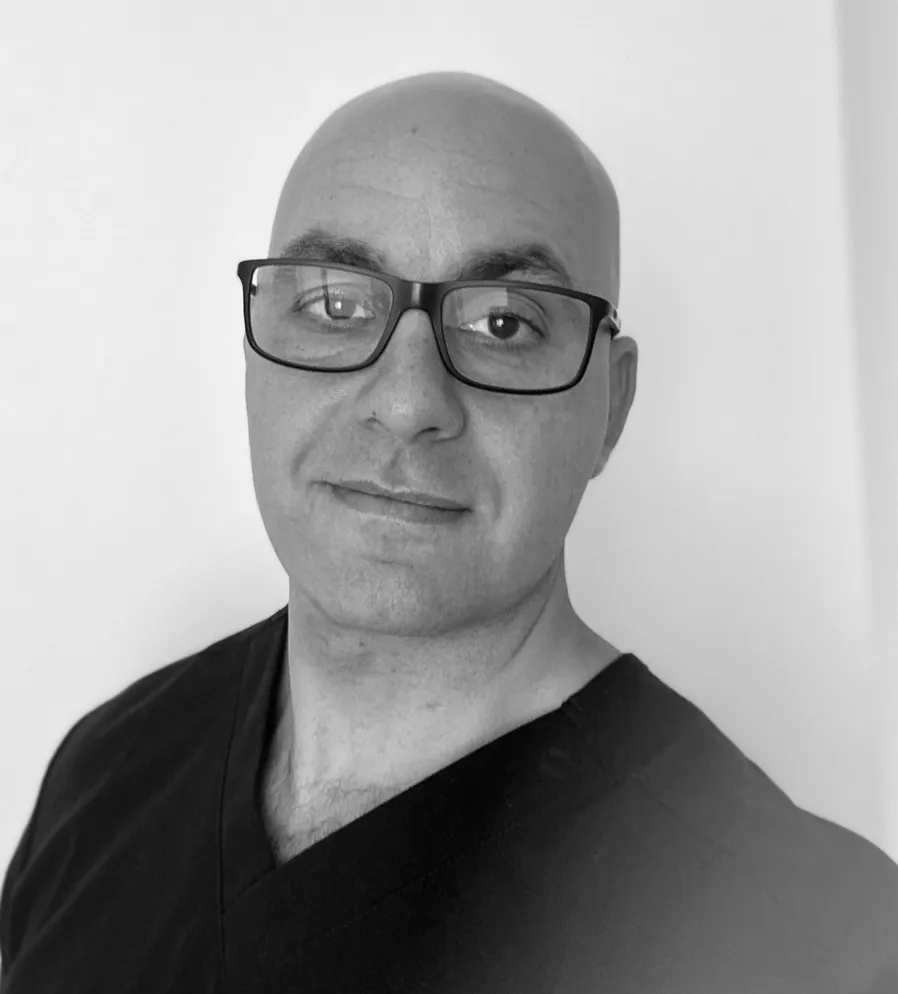
Dr Bassam Nuseibeh

Dr Alastair MacKinlay

Dr Jonathan Claydon
Where the content comes from
Each module follows the official examination blueprint and recommended resources for that exam. It is designed to complement your official study texts, not replace them.
How it is reviewed
Questions, explanations and tutor content are reviewed by practising specialist clinicians.
When something is wrong
AI can make mistakes. Rate any question with a thumbs up or down, or report a problem from inside the app. Reports go to a ticket board the team triages.
What the readiness estimate is
It uses only your completed full-length mock exams, up to your latest five, with recent ones counting more. It describes your results on ClintixPro papers. It is an estimate, not a prediction or a guarantee for the real exam.
ClintixPro is independent of ANZCA and is not endorsed by it. Its feedback is designed to support your preparation, not to replicate official marking. About the team · Why ClintixPro
Start free, then choose a plan when you are ready
Start free
A$0
Begin straight away with daily practice questions and tutor questions, plus one free mock exam. No credit card required.
Start freeStandard
A$75 a month, or A$720 a year (about A$60 a month). GST included.
For a sitting in view: mock exams, weak-spot targeting that tells you what to study next in the ANZCA Fellowship, and a live readiness score.
Choose StandardIntensive
A$99 a month, or A$950 a year (about A$79 a month). GST included.
Everything in Standard, plus Voice Mode to rehearse out loud, and no daily cap on text usage.
Choose Intensive
Starter, annual billing, and a feature-by-feature comparison are in the full pricing. Monthly plans can be cancelled at any time.
The ANZCA Fellowship at a glance
The ANZCA Final exam (FEx), which ClintixPro lists as ANZCA Fellowship, examines anaesthesia at specialist level. The written component is a 150-question MCQ and a 15-question SAQ, each 150 minutes, sat on the same day. You need minimum scores in both to be invited to the vivas: 8 anaesthesia vivas and 2 medical vivas of 15 minutes each, held over three days.
For current dates, eligibility and format details, see ANZCA’s exam information.
Dates are published by ANZCA and can change. Always confirm with the college before you plan around them.
Bring your supervisor into your preparation
Your DEMT or exam supervisor can see where you're falling short and help you work on it. It's off until you switch it on, and it costs your supervisor nothing. You give them a connection code, and once they connect, you accept. Here's what they can see:
- how ready you are to pass, and which domains are holding you back
- how much of the syllabus you’ve covered, and how much you’ve practised
- which topics you should tackle next
- how you compare with your cohort, anonymously
- the trends across all the trainees they supervise
They can also set you targeted exams and help shape your approach to the paper. They can't see your tutor chats or your individual answers, and you can stop sharing whenever you like. When you do, their access ends. Learn more about Supervisor Mode →
Questions about ANZCA Fellowship preparation
Does ClintixPro help with short-answer questions?
Yes. You write answers to SAQs and get a score and feedback against a model answer, so you can see what you covered and what you missed.
Can I practise for the vivas?
Yes. Viva practice by voice covers both the medical and the anaesthesia vivas: you answer out loud and get feedback on your answers. Voice Mode is part of the Intensive plan.
I’m also a supervisor. Can I use Supervisor Mode?
Yes. Supervisor access is free. Trainees on the Standard and Intensive plans turn on sharing and give you a connection code. You can see where each trainee stands and where their weak areas are, and set targeted practice. You cannot see their tutor chats or individual answers.
Start preparing with more direction.
Start free and upgrade when you're ready. Monthly plans can be cancelled at any time.